
Introduction
In modern construction, efficiency, safety, and precision are essential. Among the wide range of construction tools, the Bar Cutting Machine plays a critical role in shaping reinforcement steel for concrete structures.
Unlike manual cutting with hacksaws or gas torches, which is time-consuming and inconsistent, a Bar Cutting Machine delivers fast, accurate, and safe cuts. It is widely used in residential, commercial, and infrastructure projects across India.
If you’re looking for specifications and models, you can explore: Bar Cutting Machines.
What is a Bar Cutting Machine?
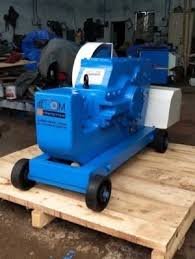
A Bar Cutting Machine is a specialized construction tool designed to cut reinforcement bars (rebars), TMT rods, and steel bars into required sizes.
-
It uses hardened alloy steel blades to deliver precise cuts.
-
Operates either with electric motors or hydraulic systems.
-
Portable designs make it easy to move around construction sites.
This machine is vital in projects where steel reinforcement forms the skeleton of concrete structures.
Importance of Bar Cutting Machines in Construction
Steel reinforcement is the backbone of concrete structures. To maintain strength and durability, steel bars must be cut into accurate lengths. Manual cutting not only wastes time but also poses safety risks.
Why Construction Sites Depend on Bar Cutting Machines:
-
Precision: Accurate bar lengths for proper reinforcement.
-
Safety: Reduces accidents compared to manual cutting.
-
Speed: Much faster than traditional methods.
-
Cost Savings: Minimizes steel wastage and reduces labor dependency.
Key Features of a Bar Cutting Machine
Modern bar cutting machines come with advanced features that make them reliable on construction sites.
Main Features Include:
-
Cutting Capacity: Handles bar diameters from 6mm up to 40mm.
-
Durable Blades: Made of alloy steel for longer life.
-
High-Powered Motor: Supports continuous heavy-duty operation.
-
Portability: Wheels for easy mobility across construction sites.
-
Safety Controls: Emergency stop buttons and protective covers.
-
Low Maintenance: Built to withstand rugged site conditions.
Types of Bar Cutting Machines
There are different categories of bar cutting machines, each designed for specific requirements.
1. Manual Bar Cutting Machine
-
Operated manually, requires physical effort.
-
Suitable for small projects or occasional use.
2. Electric Bar Cutting Machine
-
Runs on electricity, powered by strong motors.
-
Efficient for medium to large construction projects.
3. Hydraulic Bar Cutting Machine
-
Uses hydraulic pressure for smooth and quick cuts.
-
Handles heavy-duty cutting tasks with ease.
4. Portable Bar Cutting Machine
-
Lightweight, compact, and easy to transport.
-
Ideal for on-site adjustments and small-scale contractors.
Benefits of Using a Bar Cutting Machine
The use of bar cutting machines provides multiple advantages compared to traditional methods.
Key Benefits:
-
Improved Accuracy: Delivers uniform cuts.
-
High Productivity: Saves significant time.
-
Enhanced Safety: Reduces workplace hazards.
-
Durability: Strong machine body and blades.
-
Cost-Efficiency: Lowers material wastage and labor cost.
-
Versatility: Suitable for different bar diameters and types.
Applications of Bar Cutting Machines
Bar cutting machines are versatile and are used in almost all types of construction projects.
Common Applications:
-
Residential Projects: Cutting TMT bars for houses and apartments.
-
Commercial Infrastructure: Used in malls, complexes, and office towers.
-
Bridge and Flyover Construction: Handles large-scale reinforcement work.
-
Road & Highway Projects: Essential in structural foundations.
-
Industrial Plants: Used in factories and warehouses.
-
Precast Concrete Units: Cuts steel bars for prefabricated concrete products.
How to Choose the Right Bar Cutting Machine
When selecting a bar cutting machine, consider the following points:
Buying Checklist:
-
Cutting Capacity: Match with the bar diameters required.
-
Motor Power: Higher wattage ensures faster cutting.
-
Durability: Strong frame and high-quality blades.
-
Portability: Easy movement across the site.
-
Safety Features: Emergency stops, protective covers.
-
After-Sales Support: Availability of spare parts and service centers.
Maintenance Tips for Bar Cutting Machines
To ensure long life and consistent performance, proper maintenance is crucial.
Best Practices:
-
Regularly lubricate moving parts.
-
Keep blades sharp and aligned.
-
Clean dust and debris after use.
-
Inspect motor and electrical connections.
-
Replace worn-out parts immediately.
Safety Guidelines for Using a Bar Cutting Machine
Operator safety is a priority when using construction equipment.
Safety Measures:
-
Always wear protective gear (gloves, helmet, goggles).
-
Check the machine before operation.
-
Avoid overloading the cutting blades.
-
Keep unauthorized personnel away from the machine.
-
Use emergency stop in case of malfunction.
Future of Bar Cutting Machines in India
With India’s booming construction industry, the demand for advanced and efficient machinery is on the rise. Bar cutting machines are evolving with:
-
Automation features for faster operations.
-
Energy-efficient designs for sustainability.
-
Enhanced safety mechanisms for worker protection.
The future points toward smart, durable, and eco-friendly machines that will further increase construction productivity.
Frequently Asked Questions (FAQs)
Q1. What is the maximum bar size a bar cutting machine can cut?
Most machines can cut bars from 6mm to 40mm, but industrial models can handle larger diameters.
Q2. Can bar cutting machines cut stainless steel bars?
Yes, provided the machine blades are made from hardened alloy steel suitable for high-strength materials.
Q3. Are portable bar cutting machines efficient for big projects?
They are ideal for small to medium projects but may not be efficient for very large-scale construction.
Q4. How often should the blades be replaced?
Blades should be replaced whenever they show signs of wear, typically after extensive cutting cycles.
Q5. Do bar cutting machines require skilled operators?
Basic training is enough, but operators must follow safety guidelines for safe and efficient use.
Conclusion
A Bar Cutting Machine is no longer a luxury but a necessity in the construction industry. With features like precision cutting, enhanced safety, and high efficiency, it helps builders meet deadlines while ensuring quality.
From small-scale housing projects to mega infrastructure developments, this machine has proven its value in delivering speed, safety, and savings.
By choosing the right model, maintaining it properly, and following safety protocols, contractors can maximize productivity and minimize risks.
For more details and product options, you can explore: Bar Cutting Machines