
Introduction
Construction industry is among the most significant industries in the worldwide development and the pillar of the industry depends on the use of reinforced concrete structures. The precision of the bending and installation of steel reinforcement bars (TMT bars) is largely the basis of the strength, durability and stability of buildings, bridges, highways and industrial structures. Historically, bending reinforcement bars used to be a manual and labor intensive process that used to take a lot of time and expertise. Nonetheless, as machinery evolved, TMT Bar Bending Machines have changed the manner in which construction projects are being undertaken. Such machines minimize human error as well as produce all the bars at the right angle and radius thus enhancing quality of the structure and safety. Within this article, we shall discuss the importance of TMT bar bending machines, list various types, including Tmt Rebar Bending Machine, Tmt Steel Bar Bending Machine, Tmt Ring Making Machine, and others, and gain knowledge of why the machines are currently required in the modern infrastructure work.
Understanding TMT Bar Bending Machines
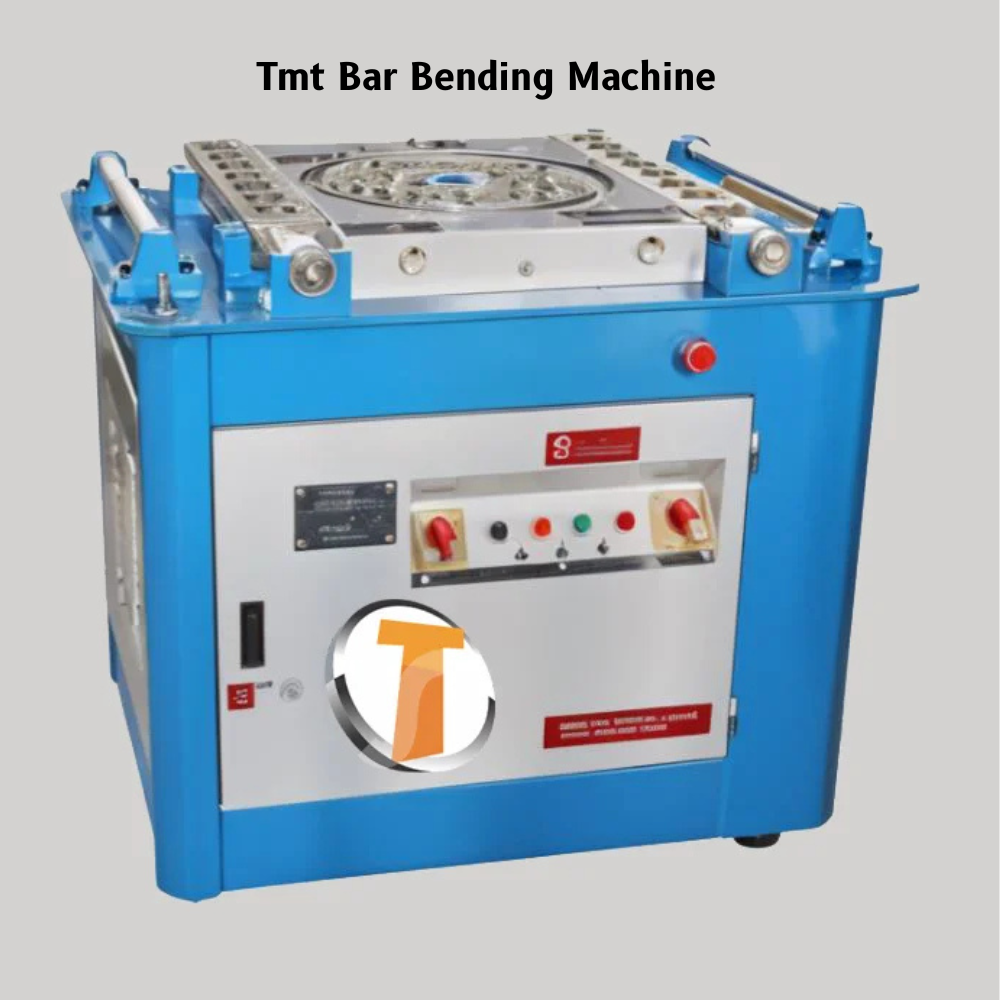
A TMT Bar Bending Machine is a special mechanical equipment used to bend reinforcement bars (rebars) in different shapes and different angles where needed by structural designs. TMT bars play a very important role in enhancing concrete with tension and compression. Construction often requires special bending of rebars, because there is no two projects that are alike. These machines streamline and automate this process to provide accuracy, speed and consistency.
Key Features
-
Ability to bend bars of different diameters.
-
Adjustable speed controls for precision.
-
High-strength gears and motors for durability.
-
Easy-to-use interface for operators.
-
Long service life with minimal maintenance.
By standardizing the bending process, these machines minimize waste, save labor costs, and ensure that every bent bar meets design specifications.
Types of TMT Bar Bending Machines
Different projects require different types of machines, and manufacturers have developed a wide range of bending solutions. Let’s explore the most common ones and their role in construction.
1. Tmt Rebar Bending Machine
The Tmt Rebar Bending Machine is specifically engineered to bend reinforcement bars into desired shapes for structural frameworks. It is widely used in high-rise buildings, bridges, and tunnels where large volumes of rebars need accurate bending. Its high torque motor and advanced programming options make it an essential choice for contractors who value speed and precision.
2. Tmt Steel Bar Bending Machine
For projects that require bending of heavy-duty steel bars, the Tmt Steel Bar Bending Machine is the go-to equipment. Its robust design allows it to handle thick and tough bars without compromising on accuracy. Ideal for large infrastructure projects, this machine is known for its reliability under continuous heavy workload conditions.
3. Tmt Ring Making Machine
Rings and circular stirrups are integral to reinforcing columns and beams in RCC structures. The Tmt Ring Making Machine automates the production of these rings, reducing manual labor and ensuring uniformity. Contractors benefit from faster output and precise shaping, which is crucial for maintaining the strength of reinforced joints.
4. Tmt Steel Wire Ring Making Machine
When wire-based reinforcement is needed, the Tmt Steel Wire Ring Making Machine provides a specialized solution. It is designed for bending thinner wires into accurate circular or polygonal rings. This machine is particularly beneficial for prefabricated construction units and small-scale projects where steel wire reinforcements are essential.
5. Tmt Ms Bar Bending Machine
Mild steel (MS) bars are commonly used in small to medium-sized construction projects. The Tmt Ms Bar Bending Machine is engineered to handle MS bars efficiently, providing clean bends without deforming the bar. This makes it an economical and practical option for builders focusing on residential and commercial complexes.
6. Tmt Ms Steel Bar Bending Machine
A more advanced version, the Tmt Ms Steel Bar Bending Machine, combines durability with high productivity. It is designed for bending MS steel bars with precision and is well-suited for contractors managing multiple projects simultaneously. Its versatility makes it a preferred choice for both large and small-scale construction works.
7. Tmt Bar Bender
Compact yet powerful, the Tmt Bar Bender is a portable solution ideal for on-site operations. It provides the flexibility contractors need when working in tight spaces or remote areas. Despite its smaller size, it delivers high performance and can bend bars quickly with consistent accuracy.
8. Tmt Steel Bar Bender
The Tmt Steel Bar Bender is designed to handle continuous, heavy workloads without compromising efficiency. Built with durable components, it is perfect for contractors working on long-duration projects such as highways, bridges, and industrial plants. Its ruggedness ensures it performs under the most demanding conditions.
Why Contractors Prefer TMT Bending Machines
The adoption of bending machines in the construction industry has been rapid due to their undeniable advantages:
-
Speed and Efficiency – Machines can bend hundreds of bars in a day, saving time compared to manual bending.
-
Accuracy and Consistency – Every bend is uniform, reducing structural risks caused by inaccuracies.
-
Cost Reduction – Less reliance on skilled manual labor lowers operational expenses.
-
Enhanced Safety – Machines reduce the chances of injuries that often occur during manual bending.
-
Durability – Machines are built to last, providing long-term benefits for contractors.
Applications in Construction
TMT bar bending machines are used in a wide range of construction projects, including:
-
High-Rise Buildings – Ensuring strong reinforcement frameworks.
-
Bridges and Flyovers – For handling large-scale bending requirements.
-
Roads and Highways – Producing durable reinforcement structures.
-
Industrial Plants – Supporting complex structural designs.
-
Residential Projects – Offering efficiency and precision for smaller-scale works.
Choosing the Right Machine
When selecting the right bending machine, contractors should consider:
-
Bar Size Capacity – Ensure the machine can handle the diameter of bars required for the project.
-
Project Scale – Large-scale projects require heavy-duty machines, while smaller projects can use portable ones.
-
Automation Features – Programmable machines save time and increase accuracy.
-
After-Sales Support – Availability of spare parts and service is crucial for long-term operation.
-
Budget and ROI – Choose a machine that balances cost with productivity benefits.
The Future of TMT Bar Bending Machines
With the rise of smart construction practices and automation, TMT bar bending machines are also evolving. Modern versions are being equipped with digital controls, programmable settings, and even IoT connectivity for real-time monitoring. This ensures higher efficiency, lower maintenance, and integration with other construction technologies.
As construction companies continue to prioritize safety, speed, and cost-effectiveness, the demand for advanced bending machines will only grow.
Conclusion
The construction sector is advancing rapidly, and machinery plays a vital role in improving efficiency and reliability. A TMT Bar Bending Machine is no longer a luxury but a necessity for contractors aiming to deliver high-quality projects within tight deadlines.
From the Tmt Rebar Bending Machine and Tmt Steel Bar Bending Machine to the Tmt Ring Making Machine, Tmt Steel Wire Ring Making Machine, Tmt Ms Bar Bending Machine, Tmt Ms Steel Bar Bending Machine, Tmt Bar Bender, and Tmt Steel Bar Bender, each machine addresses a unique need in construction. Together, they ensure that reinforced concrete structures are stronger, safer, and built to last.
For modern contractors, investing in the right bar bending machine is not just about improving productivity—it’s about ensuring long-term growth, sustainability, and competitiveness in the ever-evolving construction industry.