
Introduction
India’s construction industry is experiencing unprecedented growth. With rapid urbanization, high-rise buildings, commercial complexes, and infrastructure projects are being developed at a large scale. To keep up with these demands, modern construction requires advanced equipment that ensures both safety and efficiency. One such innovation is the suspended platform, a vital tool that allows workers to access building exteriors safely and complete tasks with greater speed.
Unlike traditional scaffolding, suspended platforms provide flexibility, are easier to install, and ensure maximum safety for workers at elevated heights. From plastering and painting to façade maintenance and structural repairs, these platforms have become indispensable in today’s construction environment. In this article, we’ll explore what suspended platforms are, their different types, benefits, and why they are transforming India’s construction industry.
What is a Suspended Platform?
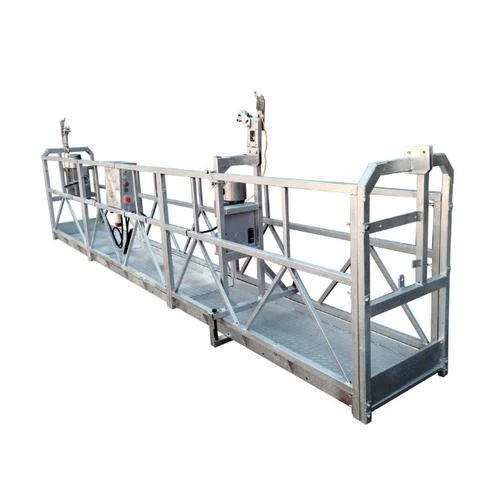
A suspended platform is a temporary structure that hangs from the roof of a building using ropes, motors, or other mechanical support systems. It is designed to carry workers and their tools to higher elevations safely. The platform can move vertically, enabling workers to access different levels of a building’s exterior with ease.
The biggest advantage of a suspended platform is its versatility. Unlike scaffolding, which requires a permanent setup for each project, suspended platforms can be adjusted, moved, and reused across different worksites. This makes them not only cost-effective but also highly efficient for modern projects.
For businesses and contractors aiming to improve safety standards while keeping costs in check, solutions like the SUSPENDED PLATFORM are becoming the go-to choice in India.
Types of Suspended Platforms
There are several variations of suspended platforms available today, each designed to cater to different construction needs. Let’s explore some of the most widely used options:
1. Suspended Construction Platform
The Suspended Construction Platform is the most commonly used type. It is highly versatile and supports activities such as plastering, window installation, and façade cleaning. It provides a stable working base while ensuring workers can move vertically with ease.
2. Suspended Rope Platform
For projects that require flexibility, the Suspended Rope Platform is ideal. Supported by strong steel ropes and powered by hoists, this platform allows workers to perform tasks at various heights with minimal risk. Its lightweight structure makes it easy to set up and dismantle.
3. Suspended Rope Construction Platform
Designed for heavy-duty applications, the Suspended Rope Construction Platform is perfect for multi-story projects. It ensures high load-bearing capacity and safety features that comply with international standards.
4. Suspended Working Platform
The Suspended Working Platform is widely used for tasks such as exterior painting, glass installation, and inspection of high-rise buildings. It saves both time and effort while ensuring worker safety at all times.
Advanced Variants of Suspended Platforms
Construction sites often demand specialized platforms to meet specific needs. Advanced versions of suspended platforms address these challenges effectively.
1. Suspended Platform Lifts
The Suspsended Platform Lifts are not just for carrying workers but also for lifting construction materials to greater heights. They reduce manual labor and speed up project timelines.
2. 7.5 MTR Suspended Platform
For larger buildings, the 7.5 MTR SUSPENDED PLATFORM provides extra working space, making it suitable for multi-worker teams. It is widely used in large commercial projects where more coverage is needed in a single setup.
3. Cradle Platform
The CRADLE PLATEFORM is specifically designed for working on complex building exteriors. Its design allows for precise positioning, ensuring that workers can perform detailed tasks without difficulty.
4. Gandola Platform
For large-scale façade cleaning and maintenance, the GANDOLA PLATFORM is a popular choice. It is widely seen in metropolitan areas, especially for skyscraper maintenance.
5. Working Platform
The WORKING PLATFORM is a multipurpose solution used across different industries. From construction and maintenance to repairs and inspections, it is one of the most adaptable suspended platforms available.
Key Benefits of Suspended Platforms in Construction
1. Enhanced Worker Safety
Safety is a top priority in construction. Suspended platforms come equipped with advanced locking systems, sturdy ropes, and emergency mechanisms to prevent accidents. Unlike bamboo or metal scaffolding, they provide workers with a secure environment even at great heights.
2. Cost-Effective Solution
Setting up scaffolding across tall structures is both time-consuming and expensive. Suspended platforms, on the other hand, are easy to assemble, disassemble, and move, which reduces overall labor costs.
3. Faster Project Completion
Time is money in construction. With suspended platforms, workers can complete painting, plastering, and repair work more quickly compared to traditional methods. This significantly reduces project delays.
4. Versatility Across Applications
From residential apartments to bridges, dams, and commercial complexes, suspended platforms can be used in a wide variety of projects. This makes them an ideal investment for contractors.
5. Worker Comfort and Efficiency
Suspended platforms provide a stable, spacious, and safe working environment. Workers can carry their tools, move comfortably, and focus on the task without unnecessary stress.
Applications of Suspended Platforms in India
Suspended platforms are now widely used in multiple sectors of India’s construction industry. Some major applications include:
-
High-Rise Buildings: For painting, plastering, window installation, and façade maintenance.
-
Commercial Complexes: For glass fitting, cleaning, and structural inspections.
-
Infrastructure Projects: For bridges, flyovers, and dams where height access is required.
-
Renovation Works: For repairing old structures, suspended platforms provide safe and flexible access.
With the rising number of skyscrapers in cities like Mumbai, Delhi, and Bengaluru, the demand for suspended platforms is growing rapidly.
Why Suspended Platforms Are Replacing Traditional Scaffolding
Traditional scaffolding has been in use for centuries, but it comes with major drawbacks such as high installation costs, safety hazards, and limited flexibility. Suspended platforms offer a modern alternative with:
-
Reduced risk of accidents due to advanced safety systems.
-
Mobility and flexibility to cover multiple areas with ease.
-
Lower costs in setup and dismantling.
-
Compatibility with modern construction methods such as glass façade installations.
As more companies realize these advantages, suspended platforms are quickly replacing scaffolding as the preferred choice.
Future of Suspended Platforms in India
With India’s construction industry projected to reach USD 1.4 trillion by 2030, suspended platforms will continue to play a vital role. Innovations such as motorized gondolas, smart sensors for safety, and lightweight yet durable materials will further enhance their utility.
Contractors and builders who adopt suspended platforms today will not only save costs but also ensure compliance with global safety standards.
Conclusion
The construction industry in India is evolving rapidly, and suspended platforms are at the heart of this transformation. They ensure safety, reduce costs, and accelerate project completion while providing unmatched versatility. From Suspended Construction Platforms to advanced options like Gandola Platforms, these solutions are empowering workers and reshaping the way projects are executed.
As urban landscapes continue to rise, suspended platforms will remain a critical part of building India’s future. Contractors, builders, and developers who invest in these platforms today are investing in efficiency, safety, and progress.