
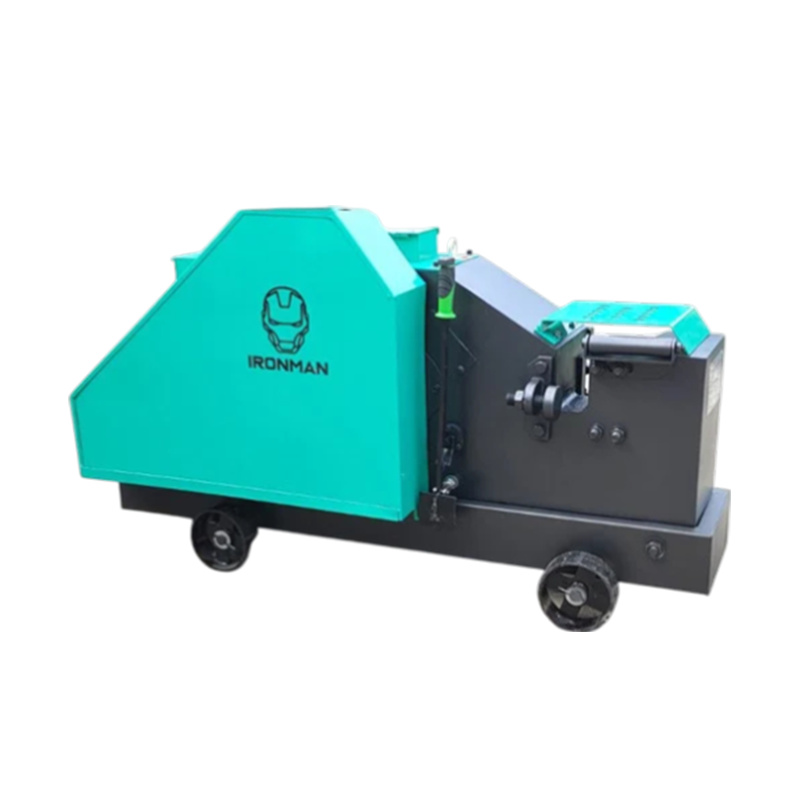
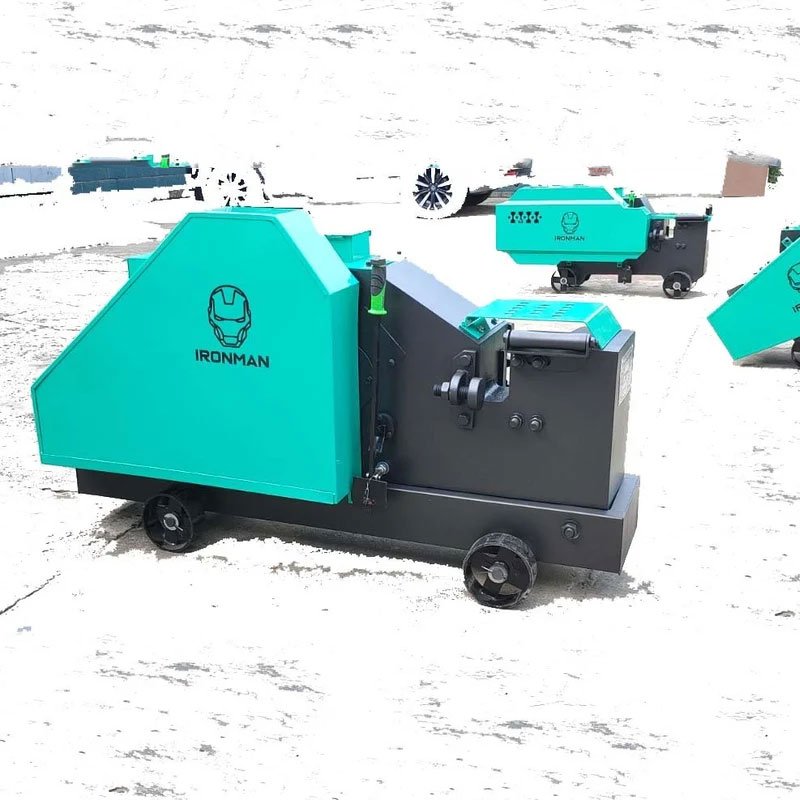
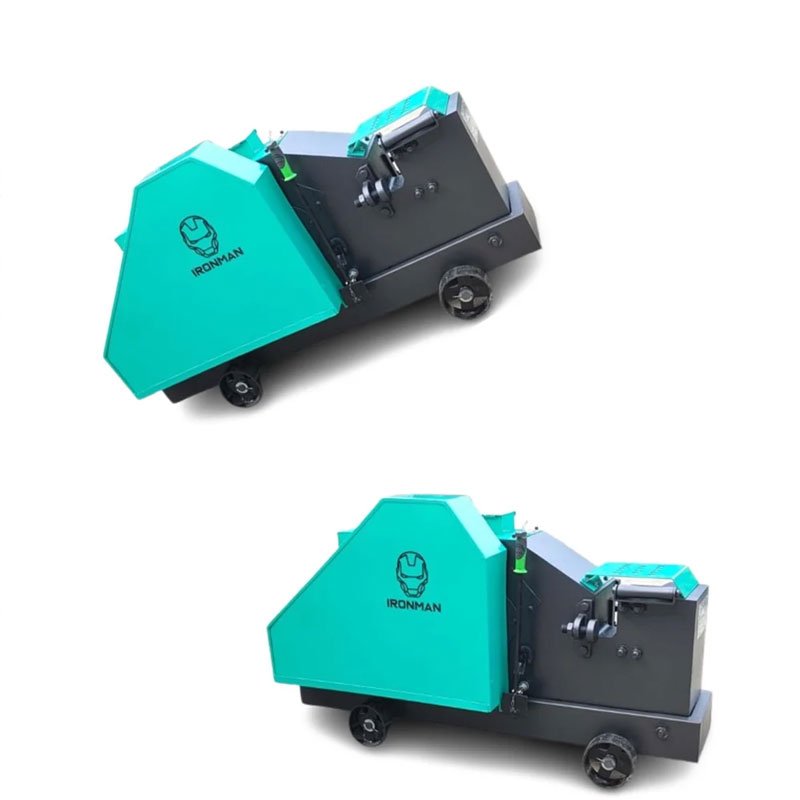
Bar Cutting Machine in Karnataka
A bar cutting machine cuts long iron rods into the exact size you need — fast, clean, and easy. A bar cutting machine - सरिया काटने की मशीन (also called a rebar cutter) is a powerful tool used in construction to quickly and accurately cut steel bars, pipes, and metal rods. It runs on electricity and comes in different sizes, from small portable machines to heavy-duty industrial ones. These machines are very important for building strong structures like bridges, columns, and foundations, as they help ensure the steel is cut properly for safe and durable construction. Purchase best GQ50 Bar Cutting Machines in Delhi from trusted suppliers. Built for 24/7 site use. Request your best price quote today – limited stock!
यह मशीन TMT बार, सरिया, और रिबार को सही माप पर तेज़ी से और सुरक्षित तरीके से काटती है — बिना किसी मेहनत के और बिना किसी बर्बादी के। Topall Impex दिल्ली में 2008 से सरिया काटने की मशीन बना रहा है। हम हर साइज़ और बजट के लिए मशीन बनाते हैं — छोटी पोर्टेबल मशीन से लेकर भारी-भरकम ऑटोमैटिक रिबार कटिंग मशीन तक। हमारी मशीनें पूरे भारत में सप्लाई की जाती हैं और हमारे हज़ारों संतुष्ट ग्राहक हैं जो बार-बार हमसे ऑर्डर करते हैं।
Technical Variants
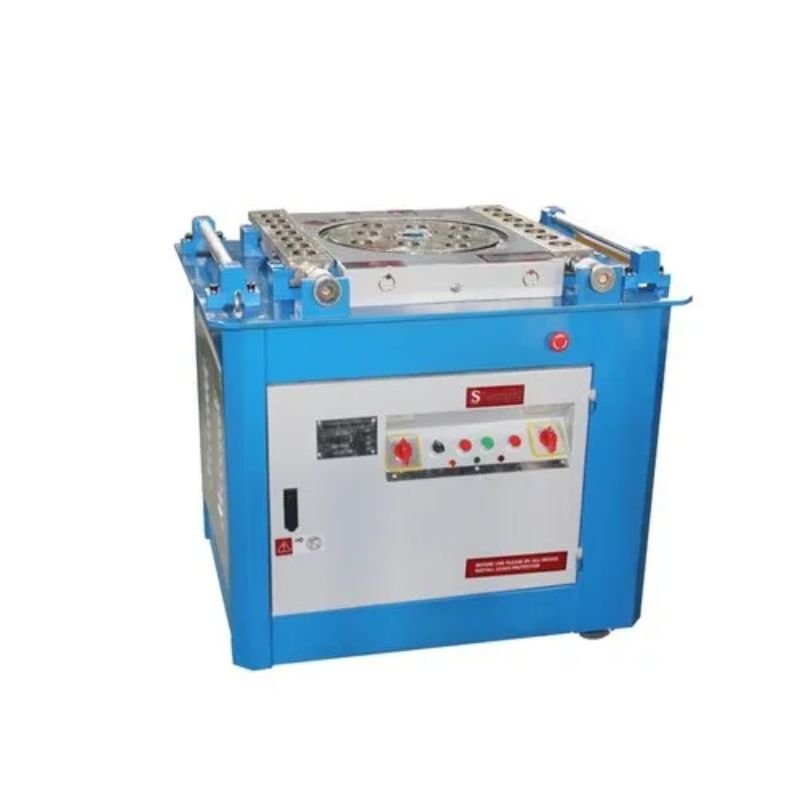
| Specification | Details |
| Model | GW52J |
| Bending Range (mm) | 40 |
| Round Bar (mm) | 50 |
| Working Plate (mm) | 12 |
| Working Disc Dia (mm) | 400 |
| Power (KW) | 4 |
| Speed (rpm) | 1440 |
| Voltage (V) | 415 |
| Weight (kg) | 400 |
| Dimension (mm) | 970x770x880 |
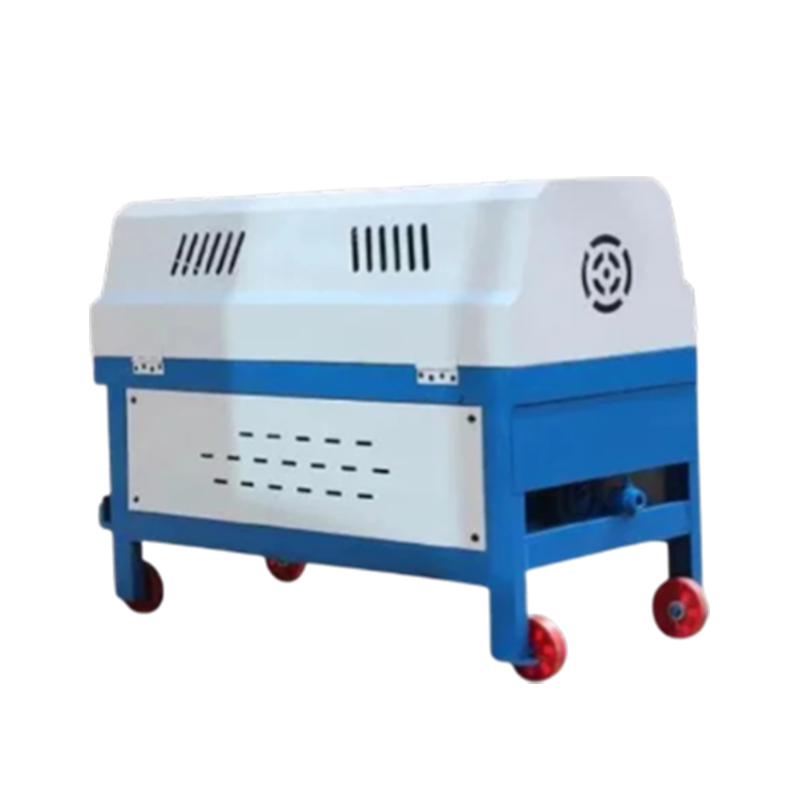
| Specification | Details |
| Model | Gx8-25 |
| Straightening Dia.(mm) | 8-25 |
| Speed of Working | 28m/min |
| Motor Power | 15KW |
| Reducer | 400 |
| Weight (kg) | 900 |
| Packing Size (mm) | 1410x 1020x1280 |
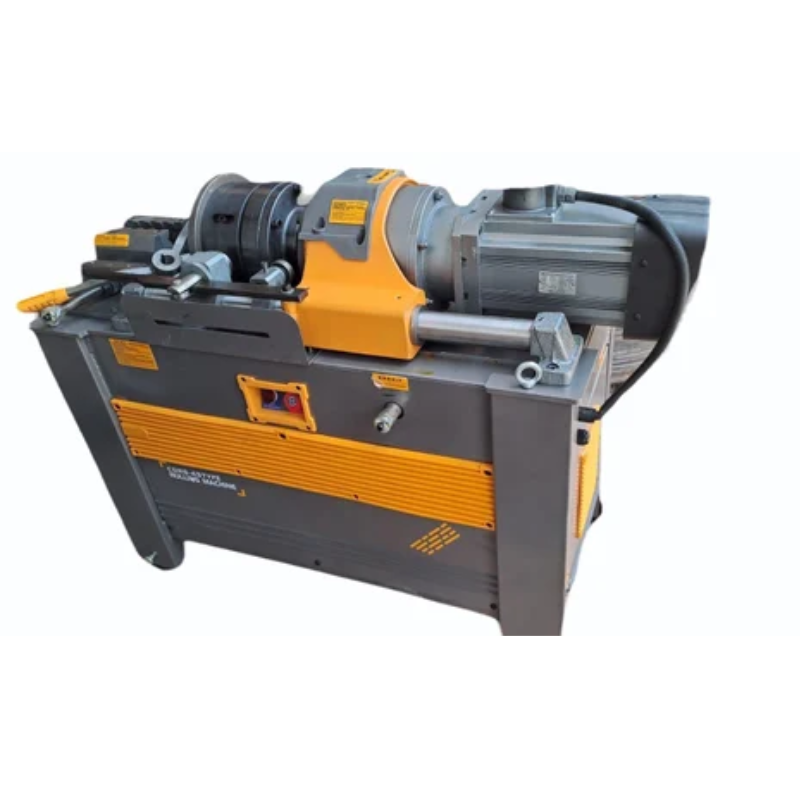
| Specification | Details |
| Model | CDRG45 |
| Threading Range(mm) | 16-40 |
| Threading Length(mm) | upto 80 |
| Main Shaft Speed | 62 r/min |
| Motor Power | 5.5 kw |
| Working Method | Limit Switch/Senser |
| Thread Pitch | 2.5 , 3.0, 3.5 Pitch |
| Weight | 330 KG |
| Dimension (mm) | 1100x480x1040 |
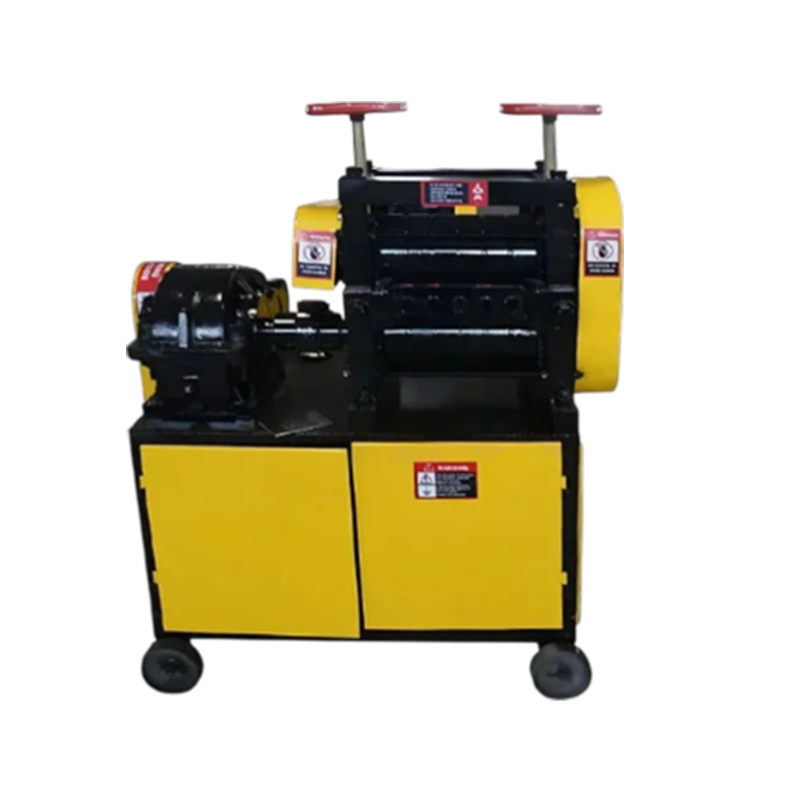
| Product Name | Scrap Straightening Machine |
| Usage/Application | Straightening Scrap Steel Bars and Wire Rods |
| Power Source | Electric |
| Automation Grade | Semi Automatic |
| Power Consuption | 2 Hp |
| Working Speed | 30 m/min |
| Voltage | 380 V, 3 Phase |
| Frequency | 50 Hz |
| Dimension | 1100X600X700 mm |
| Brand | Topall |
| Country of Origin | Made in India |
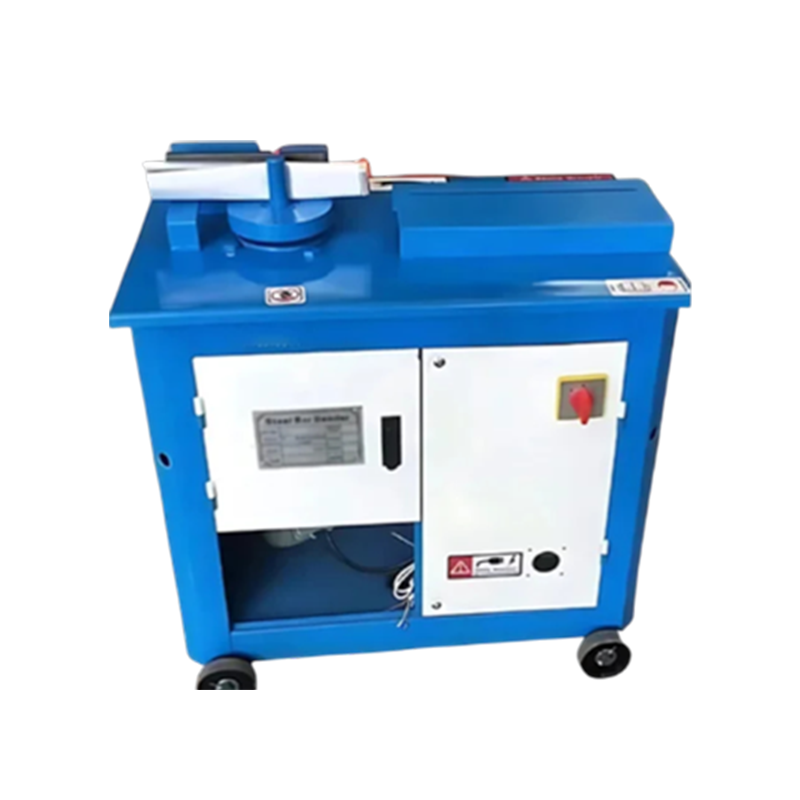
| Specification | Details |
| Model | GW 20 |
| Bending Range (mm) | 4-16 |
| Present Angle | 90°/135° |
| Working Speed (r/min) | 25-30 |
| Angle Feed | Auto |
| Power (Kw) | 2.2 |
| Voltage (v) | 415 |
| Weight (kg) | 95 |
| Dimension | 830 x 550 x 830 |
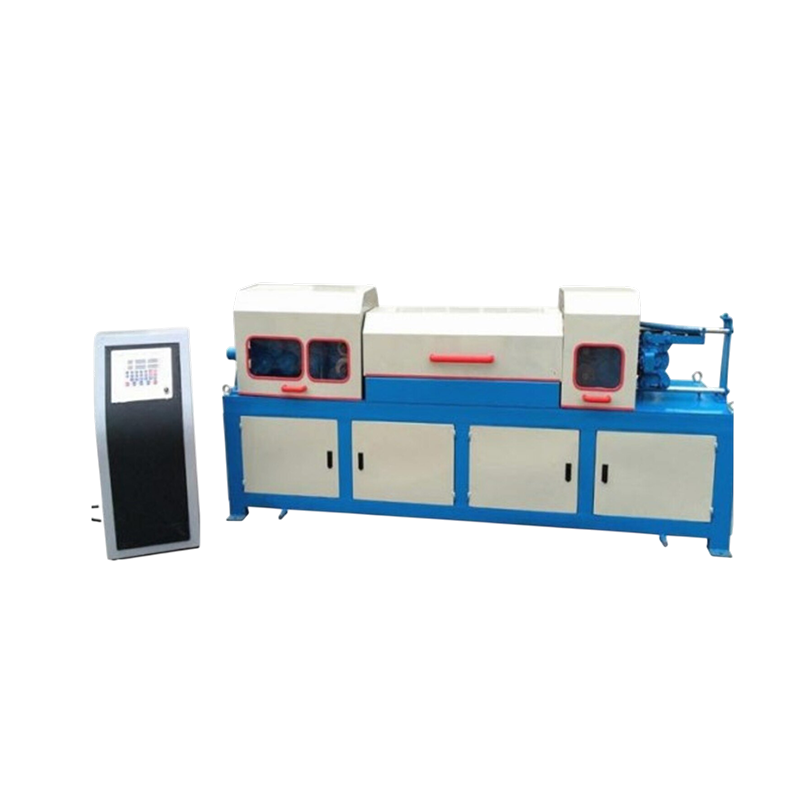
| Specification | Details |
| Model | GT4-14 |
| Straightening Range (mm) | Rebar 4-12 |
| Power (KW) | 9 |
| Speed (m/min) | 30-50 |
| Weight (Kg) | 500 |
| Oiling (Kg) | 20-25 |
Shop Bar Cutting Machine at Best Price in Karnataka | Topall Impex
Buy a heavy-duty Bar Cutting Machine in Karnataka directly from Topall Impex — India's trusted manufacturer since 2008. Our machines cut all bar sizes with speed, precision, and zero compromise on quality. Perfect for residential, commercial, and infrastructure projects. Available in manual, electric, hydraulic, and automatic models. Pan-India delivery with dedicated after-sales support across Delhi, Mumbai, Ahmedabad, and Hyderabad. Contact Topall Impex today and get the best factory price.
What is a Bar Cutting Machine? - सरिया काटने की मशीन क्या है ?
A bar cutting machine is a heavy-duty industrial machine designed to cut steel bars, rebar (reinforcement bars), TMT bars, and other metal rods to a precise, pre-defined length. It uses a powerful electric motor and a hardened cutting blade to deliver clean, accurate cuts in seconds. Unlike manual cutting methods that are slow, inconsistent, and physically exhausting, a bar cutting machine automates the entire cutting process. The result? Faster output, better accuracy, and reduced labor cost — all at the same time.In the construction industry, it is also widely known as a rebar cutting machine, steel bar cutting machine, or TMT bar cutting machine, depending on the material being processed.
Where is a Bar Cutting Machine used for ?
A bar cutting machine is used to cut steel reinforcement bars into precise lengths required for construction work. Here is a quick look at its common uses:
- Cutting TMT bars for RCC (Reinforced Cement Concrete) structures
- Cutting mild steel bars for fabrication and structural work
- Cutting stainless steel rods for industrial applications
- Preparing stirrups and rings before bending
- Sizing bars for columns, beams, slabs, and foundations
- Processing bars in prefabrication units and steel workshops
Essentially, anywhere steel bars need to be sized before use in construction, a bar cutting machine is the tool professionals rely on.
Why Bar Cutting Machine is Important in Construction
Construction is a precision game. Even a centimeter of error in a steel bar's length can compromise the structural integrity of a building. Here is why bar cutting machines have become non-negotiable on modern construction sites:
Accuracy matters - Manual cutting with hacksaws or angle grinders is inconsistent. A bar cutting machine gives you the exact length every single time, reducing rework and material waste.
Speed matters - Projects run on tight deadlines. A bar cutting machine can process dozens of bars per minute, which manual methods simply cannot match.
Safety matters - Manual cutting of steel bars is physically dangerous. A machine eliminates excessive manual effort, reduces the risk of injuries, and creates a safer work environment.
Cost matters - Faster processing, less wastage, and fewer labor hours directly translate into lower project costs and higher profit margins.
In short, a bar cutting machine is not just a convenience — it is a competitive advantage for any serious construction professional.
Steel Bar Cutting Machine – Best Price in Karnataka | Topall Impex
Buy a high-performance Steel Bar Cutting Machine from Topall Impex — India's trusted manufacturer since 2008. Our machines deliver precision cuts, reduce labour costs, and handle all bar diameters up to 40mm. Built with the latest technology for non-stop site performance. Available across Delhi, Mumbai, Ahmedabad, and Hyderabad. Get factory-direct pricing with full after-sales support. Contact Topall Impex today for a free quote.
How does Bar Cutting Machine Work?
Understanding how a bar cutting machine works helps you operate it better and maintain it longer. Here is a simple, step-by-step breakdown:
Step 1 — Power Up - The machine is connected to a standard electric power supply. An electric motor inside the machine generates the rotational force needed for cutting.
Step 2 — Blade Engagement - The motor drives a flywheel or a crank mechanism that moves the cutting blade in a linear or rotary motion, depending on the machine type.
Step 3 — Bar Positioning - The operator places the steel bar through the feeding guide or against the fixed jaw. The bar is aligned to the required measurement using a measuring stop or scale.
Step 4 — Cutting Action - When the operator activates the foot pedal or lever, the moving blade comes down with force against a fixed blade. The combined shear force cuts through the steel bar cleanly.
Step 5 — Output - The cut piece falls or is guided into a collection area. The machine is ready for the next bar immediately.
The entire cutting cycle typically takes just 2 to 5 seconds, making it incredibly efficient for bulk cutting operations.
Not all bar cutting machines are the same. Choosing the right type depends on your specific project requirements, volume of work, and workspace. Here are the main types available:
- Electric Bar Cutting Machine - The most common type used on construction sites. It runs on electric power and is capable of cutting bars ranging from 6mm to 40mm in diameter. It offers a good balance of speed, power, and cost.
- Hydraulic Bar Cutting Machine - Uses hydraulic pressure to power the cutting blade. It is ideal for cutting thicker, high-strength bars like high-tensile TMT bars. It delivers more force with less noise and vibration compared to mechanical models.
- Automatic Bar Cutting Machine - A fully automated system where you can program the cut length and the number of pieces required. The machine feeds, measures, and cuts automatically — perfect for large-scale prefabrication and precast factories.
- Semi-Automatic Bar Cutting Machine - A step above manual operation, this type combines automatic blade action with manual bar feeding. It is widely used on mid-sized construction sites.
- Portable Bar Cutting Machine - A compact, lightweight version designed for sites where mobility is important. It can be easily moved from one location to another without requiring a fixed installation.
- CNC Bar Cutting Machine - Computer-controlled for the highest level of precision and repeatability. Used in industries where tolerances are very tight and production volumes are extremely high.
Benefits of a Bar Cutting Machine
Here is why construction professionals across India prefer using a bar cutting machine over manual methods:
- Precision Cutting — Every cut is accurate to the millimeter, reducing material waste significantly.
- High Productivity — A single machine can replace the work of multiple laborers, cutting hundreds of bars per hour.
- Reduced Labor Cost — Fewer workers are needed for the cutting operation, directly saving money on labor.
- Consistent Output — Every bar comes out to the same length, ensuring uniformity across the entire project.
- Low Maintenance — Modern bar cutting machines are built for durability and require minimal maintenance when operated correctly.
- Safe Operation — With proper safety guards and foot pedal controls, the risk of operator injury is significantly reduced.
- Versatility — Most machines can handle different bar diameters simply by adjusting the blade or settings.
- Long Service Life — A well-maintained bar cutting machine can serve you reliably for 10 to 15 years or more.
Applications of Rebar Cutting Machine
A rebar cutting machine is used across a wide range of industries and applications, including:
- Residential construction — Cutting bars for columns, beams, and slabs in houses and apartments
- Commercial buildings — High-rise and multi-story building projects requiring large volumes of cut bars
- Bridges and flyovers — Structural reinforcement cutting for heavy civil engineering projects
- Dams and water structures — Large-scale infrastructure requiring high-capacity cutting
- Road and highway construction — Cutting bars for culverts, underpasses, and retaining walls
- Prefabrication plants — Automated cutting for standardized precast components
- Steel fabrication shops — Custom cutting for gates, grills, and structural steel work
- Industrial plants and warehouses — Foundation and structural reinforcement cutting
The machine's ability to deliver precise, repeatable cuts makes it indispensable across all of these sectors.
Advantages of Using a Tmt Bar Cutting Machine
TMT (Thermo-Mechanically Treated) bars are the backbone of modern construction. However, their high strength makes them difficult to cut manually. A dedicated TMT bar cutting machine offers several specific advantages:
- Handles High Tensile Strength — TMT bars are significantly harder than ordinary mild steel bars. A TMT bar cutting machine is engineered to handle this without straining the motor or dulling the blade quickly.
- Clean Cut Surface — The shear-cutting mechanism produces a clean, burr-free edge that requires no additional finishing, saving time and effort.
- No Heat Generation — Unlike angle grinders or gas cutting torches, a TMT bar cutting machine does not generate heat at the cut point, which preserves the metallurgical properties of the bar.
- Consistent Performance — Whether you are cutting the first bar or the five hundredth, a TMT bar cutting machine delivers the same quality cut every time.
- Reduced Steel Loss — Precise cuts mean minimal material wastage compared to abrasive cutting methods, which can consume several millimeters of steel per cut.
Rebar Cutting Machine in Karnataka – Buy Direct from Top Manufacturer Since 2008 - Topall Impex
Looking for a reliable Rebar Cutting Machine in Karnataka at the best price? Topall Impex manufactures heavy-duty rebar cutting machines built for Indian construction sites. Fast, accurate, and low-maintenance — our machines handle all standard rebar sizes with ease. Trusted by contractors and builders across India for over 15 years. Pan-India delivery and dedicated service support available. Call Topall Impex now and get the best deal today.
This is one of the most common questions buyers ask before investing in a bar cutting machine. The right answer depends on your budget, workload, and how long you plan to use the machine. Here is an honest breakdown to help you decide:
New Bar Cutting Machine
Pros:
- Full warranty coverage — A new machine comes with a manufacturer warranty, protecting you from manufacturing defects and unexpected failures during the warranty period.
- Latest technology — New models incorporate the most recent improvements in motor efficiency, blade design, and safety features, giving you better performance right out of the box.
- Zero wear and tear — Every component is fresh and at full specification. You get the machine at its best performance from day one.
- Longer service life — A new machine, properly maintained, can deliver 10 to 15+ years of reliable service, making it a strong long-term investment.
- Manufacturer support — You get full access to the manufacturer's after-sales service, spare parts, and technical support network.
- Predictable performance — You know exactly what you are buying. There are no hidden repair bills or surprise breakdowns waiting for you.
Cons:
- Higher upfront cost — A new machine requires a larger initial investment compared to a used one.
- Depreciation — Like any equipment, a new machine depreciates in value once it enters service, which matters if you plan to resell it later.
Second-Hand Bar Cutting Machine
Pros:
- Lower purchase price — A used machine typically costs 30% to 60% less than a comparable new model, which makes it attractive for budget-conscious buyers.
- Immediate availability — Used machines are often available quickly, which can be useful if you need a machine on short notice.
- Lower depreciation risk — A used machine has already taken its steepest depreciation hit, so you lose less value if you decide to resell it later.
Cons:
- Unknown usage history — You rarely know how hard the previous owner ran the machine or whether it was maintained properly. Hidden wear, overloading history, and deferred maintenance can lead to expensive problems after purchase.
- No warranty — Most second-hand machines are sold as-is with no warranty. Any repairs or replacements after purchase come entirely out of your pocket.
- Outdated technology — Older machines may lack modern safety features, energy-efficient motors, or precision controls that newer models offer.
- Higher maintenance costs — A used machine is more likely to need spare parts, blade replacements, and servicing soon after purchase, which can quickly offset the lower purchase price.
- Limited spare parts — For older models, genuine spare parts may be difficult or expensive to source, leading to longer downtime when something needs fixing.
- Shorter remaining service life — A used machine has already consumed a portion of its total lifespan. You get fewer productive years from it than you would from a new machine.
New vs Second-Hand — The Verdict
For long-term use, high-volume sites, or critical projects, a new bar cutting machine is always the smarter investment. The warranty, reliability, and longer service life more than justify the higher upfront cost. For short-term projects, occasional use, or very tight budgets, a used machine can work — but only if you inspect it carefully before buying and factor in likely repair costs. Never buy a used machine without a thorough physical inspection by a qualified technician. At Topall Impex, we offer competitively priced new bar cutting machines that deliver long-term value. Our pricing is transparent, and our machines are built to last — so you always get more than your money's worth.
What to Check Before Buying a Bar Cutting Machine — Complete Buyer's Checklist
Use this checklist before finalising any bar cutting machine purchase. It takes 15 minutes and protects you from expensive mistakes.
Technical Verification:
- Confirm maximum cutting diameter matches your project's largest bar size (with margin)
- Verify motor power and phase (3-phase preferred for production use)
- Check blade material specification (ask for the HRC rating in writing)
- Confirm the machine handles the TMT grade you use (Fe415, Fe500, Fe550D, Fe600 etc.)
- Verify cuts-per-minute rating under load (not peak, not unloaded)
Quality and Safety Verification:
- Inspect body material (cast iron vs fabricated mild steel)
- Check blade guard and flywheel cover are present and functional
- Confirm overload motor protection relay is fitted
- Inspect quality of weld joints if it is a fabricated body
- Test foot pedal engagement and release — it must be crisp, not sticky.
Commercial Verification:
- Verify the seller is the actual manufacturer (not a trader re-labelling an imported machine)
- Confirm warranty terms in writing — duration, what is covered, how claims are processed
- Check spare parts availability — can you order blades, blade holders, and bearings easily?
- Get the GST-compliant invoice for your tax records
- Confirm delivery timeline and freight cost
After-Sales Verification:
- Is there a local or regional service support point?
- Is there a helpline number for operational queries?
- Does the manufacturer provide operator training on delivery?
Commercial and Support Factors
- Manufacturer reputation — Is the machine made by an established, reputable manufacturer with a proven track record?
- Spare parts availability — Are genuine spare parts readily available? Ask specifically about blades, bearings, and crankshaft components.
- After-sales service — Does the supplier offer on-site installation, commissioning, and servicing?
- Warranty terms — What does the warranty cover and for how long?
- Price vs value — Is the price reasonable relative to the machine's specifications, build quality, and the support you receive?
- Delivery timeline — Can the supplier deliver and install the machine within your project schedule?
Quick Checklist Summary
Before you sign any purchase order, make sure you can confidently answer yes to these five key questions:
- Does this machine handle my maximum bar diameter?
- Is the build quality strong enough for my daily workload?
- Are spare parts and service support readily available?
- Have I tested the machine (or verified it thoroughly for new machines)?
- Am I buying from a manufacturer or supplier I can trust?
If you can say yes to all five, you are ready to buy.
TMT Bar Cutting Machine – Factory Price in Karnataka | Topall Impex
Get a durable TMT Bar Cutting Machine directly from Topall Impex — one of India's leading construction equipment manufacturers. Our TMT bar cutting machines are engineered for the hardness and tensile strength of modern TMT bars, delivering clean and precise cuts on every job. Ideal for residential, commercial, and infrastructure projects. Available in manual, electric, and automatic models. Request your free quote from Topall Impex today.
How to Choose the Right Bar Cutting Machine — Tips & Tricks
With so many options available, choosing the right bar cutting machine can feel overwhelming. Here are the key factors to evaluate before making your decision:
1. Cutting Capacity - Always check the maximum bar diameter the machine can handle. If you regularly work with 32mm or 40mm TMT bars, make sure the machine is rated for that capacity.
2. Motor Power - A more powerful motor handles thicker bars more efficiently and lasts longer under heavy use. Do not underbuy on motor power for demanding applications.
3. Cutting Speed - If you need high throughput, look for machines with higher cuts-per-minute ratings. For smaller operations, standard cutting speeds are sufficient.
4. Type of Machine - Match the machine type to your work style — portable for mobile sites, automatic for high-volume factories, hydraulic for heavy-duty applications.
5. Build Quality - Look for machines made with heavy-duty cast iron bodies and high-grade steel blades. A sturdy build ensures longevity and safe operation.
6. After-Sales Service - Choose a manufacturer who offers reliable after-sales support, spare parts availability, and on-site service. This is critical for minimizing downtime.
7. Safety Features - Ensure the machine comes with proper blade guards, emergency stop buttons, and foot pedal controls for operator safety.
8. Budget - While price is important, always prioritize quality over cost. A cheap machine that breaks down frequently will cost you far more in the long run.
Bar Cutting Machine Maintenance Tips
Regular maintenance extends the life of your machine and keeps it running at peak performance. Here is what you should do:
Daily Maintenance
- Clean dust, rust chips, and metal shavings from the machine body and blade area
- Check blade alignment and tighten any loose bolts
- Lubricate moving parts, especially the crankshaft and flywheel bearings
- Inspect the foot pedal and control linkage for smooth operation
Weekly Maintenance
- Check the motor for overheating signs or unusual vibration
- Inspect electrical connections and wiring for damage
- Test the emergency stop mechanism
- Check the blade edge for sharpness and replace if worn
Monthly Maintenance
- Inspect the flywheel and crank mechanism for wear
- Check and tighten all foundation bolts if the machine is permanently installed
- Verify that the cutting gap between the fixed and moving blade is within specification
- Service the motor as per the manufacturer's recommendation
Annual Maintenance
- Schedule a full professional inspection and service
- Replace all worn blades, bearings, and bushings proactively
- Check the motor windings for insulation integrity
- Repaint and clean the machine body to prevent corrosion
Common Problems and Solutions of Bar Cutting Machine
Even the best machines occasionally face issues. Here is a quick troubleshooting guide for the most common bar cutting machine problems:
Problem: Machine does not start
Possible Cause: Power supply issue, blown fuse, or faulty motor starter
Solution: Check power connection, inspect fuse, and test the motor starter. Call a qualified electrician if needed.
Problem: Blade does not cut cleanly
Possible Cause: Blade is worn out or the cutting gap is too wide
Solution: Replace the blade or adjust the cutting gap between the fixed and moving blade to the correct specification.
Problem: Machine vibrates excessively
Possible Cause: Loose bolts, worn bearings, or unbalanced flywheel
Solution: Tighten all bolts, inspect bearings for wear, and check flywheel balance.
Problem: Motor overheats
Possible Cause: Overloading the machine, poor ventilation, or cutting bars beyond the rated capacity
Solution: Allow the motor to cool down. Operate within rated capacity and ensure proper airflow around the motor.
Problem: Foot pedal does not respond
Possible Cause: Worn linkage, damaged spring, or mechanical obstruction
Solution: Inspect the foot pedal linkage for damage or blockage and replace worn parts.
Problem: Blade breaks during cutting
Possible Cause: Cutting beyond capacity or using a faulty blade
Solution: Always use the correct blade for the bar size. Never exceed the machine's rated cutting capacity.
Bar Cutting Machine Maintenance Tips
A well-maintained bar cutting machine runs for 10–15 years. A neglected machine fails in 2–3 years. The maintenance requirement is minimal — it is the consistency that matters.
Daily Maintenance (Every Operating Day)
- Clean metal chips from the blade area, blade holder, and machine base after each shift
- Visually inspect blades for new chips or damage
- Check blade bolt torque (hand-tight check — if a bolt turns by hand, re-torque immediately)
- Check oil level in the gear lubricant reservoir (if fitted)
- Listen for any new sounds during the first 5 cuts of the day
Weekly Maintenance
- Grease the eccentric shaft bearings using a grease gun (2–3 pumps of EP2 grease)
- Check and clean the air vents on the motor housing
- Inspect the foot pedal cable or linkage for wear
- Check the flywheel belt tension (if belt-driven) — should deflect 10–15mm under thumb pressure
- Inspect the earthing wire connection for corrosion
Monthly Maintenance
- Change gear oil if the machine has a gearbox (first change at 3 months, then every 6 months thereafter)
- Inspect all electrical connections for corrosion or loose terminals
- Check blade clearance (the gap between moving and fixed blade should be 0.1–0.3mm — adjust the blade shim if out of range)
- Test the overload relay by simulating an overload condition (refer to manual)
- Lubricate all pivot points on the foot pedal and lever assembly
Annual Maintenance
- Full motor winding resistance check by a qualified electrician
- Complete blade and blade holder inspection and replacement if needed
- Flywheel bearing replacement (proactive, even if no noise is present, on high-volume machines)
- Full machine alignment check
Maintenance Log: Keep a physical log on-site recording every maintenance activity, blade replacement, and any abnormal observation. This log is invaluable when diagnosing problems and when making warranty claims.
Check Out Bar Cutting Machine Price / Cost in Karnataka, India - Topall Impex
The price of a bar cutting machine in Karnataka varies based on the type, cutting capacity, motor power, and level of automation. Here is a general price range to help you plan your budget:
Machine Type
Standard Electric Bar Cutting Machine - ₹35,000 – ₹75,000
Heavy-Duty Electric Bar Cutting Machine - ₹75,000 – ₹1,50,000
Hydraulic Bar Cutting Machine - ₹1,00,000 – ₹2,50,000
Semi-Automatic Bar Cutting Machine - ₹1,20,000 – ₹2,00,000
Automatic / CNC Bar Cutting Machine - ₹2,50,000 – ₹6,00,000+
Portable Bar Cutting Machine - ₹25,000 – ₹55,000
Note: Prices are indicative and subject to change based on specifications, customization, and market conditions. Contact us directly for the most accurate and up-to-date pricing.
Why invest in a quality machine? A bar cutting machine is a long-term asset. Buying a well-built machine from a trusted manufacturer like Topall Impex ensures you get years of trouble-free operation, which more than justifies the initial investment.
Shop Sariya Cutting Machine – Best Price in Karnataka | Topall Impex
Topall Impex में मिलती है उच्च गुणवत्ता वाली Sariya Cutting Machine — सीधे निर्माता से, बेस्ट प्राइस पर। हमारी मशीनें हर साइज की सरिया को तेज़ और सटीक तरीके से काटती हैं, जिससे आपका काम तेज़ होता है और लेबर कॉस्ट कम। 2008 से भारत के हज़ारों कॉन्ट्रैक्टर्स का भरोसा। दिल्ली, मुंबई, अहमदाबाद और हैदराबाद में उपलब्ध। आज ही Topall Impex से संपर्क करें और फ्री कोटेशन पाएं।
Contact Topall Impex For Bar Cutting Machine At Best Price in Karnataka
Ready to equip your construction site with a high-performance bar cutting machine? Get in touch with the Topall Impex team today. Whether you need a single machine or a bulk order for a large project, we are here to help you choose the right equipment at the right price.
Topall Impex India's Trusted Construction Equipment Manufacturer Since 2008
Head Office: Delhi Branches: Mumbai | Ahmedabad | Hyderabad
A bar cutting machine is not an optional luxury on a construction site — it is a core productivity and quality tool. Every tonne of steel you process through a machine rather than by hand saves you money, saves time, and delivers a more precise structural outcome. The right bar cutting machine for your project depends on three things: the largest bar diameter you cut, your daily volume, and your project duration. Match these three factors to the right GQ-series model, and the machine will deliver consistent returns for 10–15 years. Topall Impex has manufactured bar cutting machines in Karnataka since 2008. We build every machine at our Delhi facility, ship direct to your site without dealer markup, and support every machine we sell for its full operating life with genuine spare parts and responsive technical assistance.
Take the next step:
- Call or WhatsApp us for a same-day factory quote
- Tell us your bar diameter, grade, and daily volume — we will recommend the right model
- Request a live demonstration at our Delhi facility
- Get factory-direct pricing with no hidden charges.
Topall Impex — Delhi's Bar Cutting Machine Manufacturer Since 2008.